Twelve-hour shifts, repetitive lifting, heat, driving, night shift and swings away from home all place real demands on a body. The recovery conversation usually skips straight to athletes — which leaves out tradies, FIFO workers, warehouse crews, nurses, farm workers and anyone whose job is physical.
Recovery after a long shift
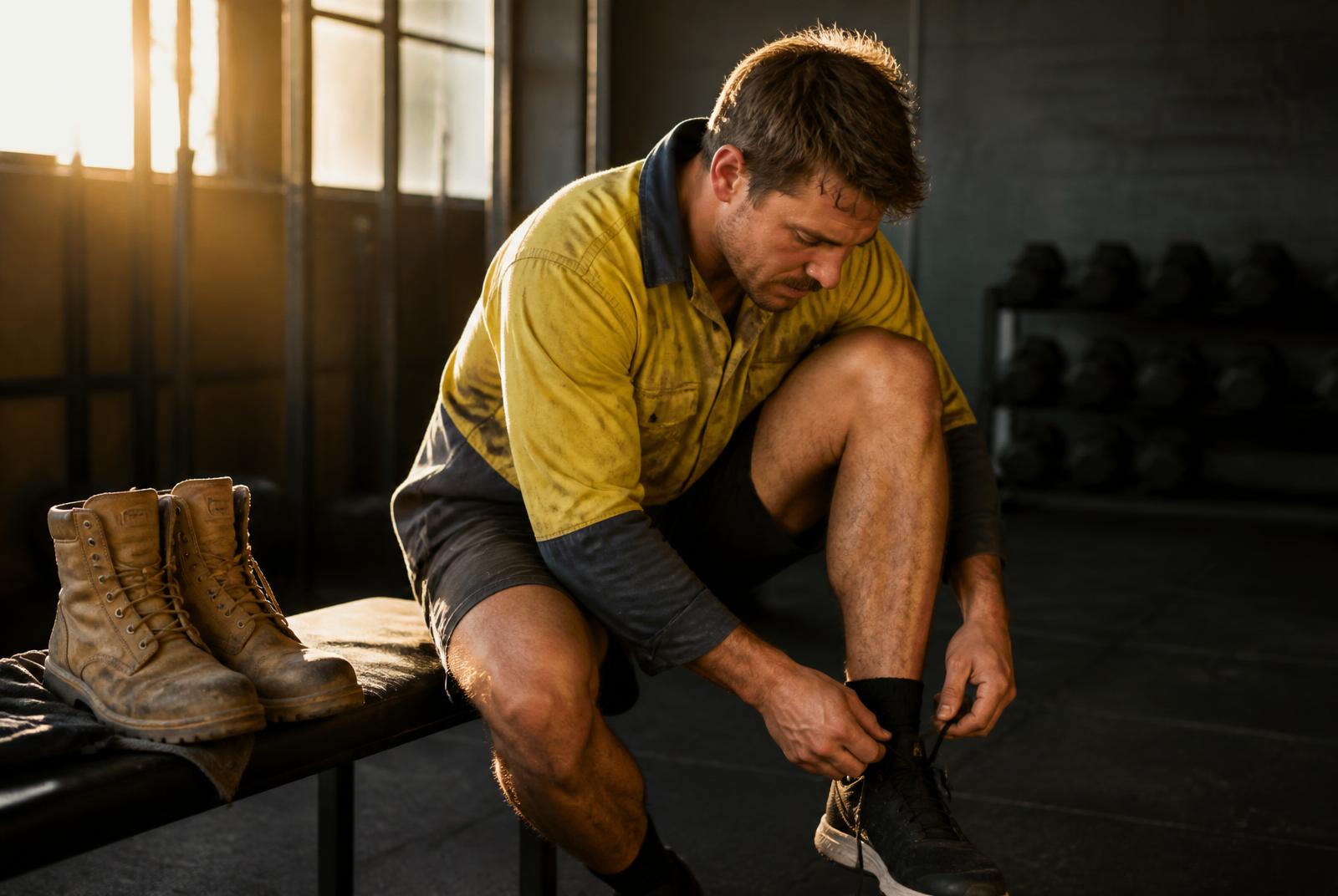
The hour after a shift sets up the next one. It rarely needs to be complicated: move a little before you sit down, rehydrate steadily, eat a proper meal and get out of work boots.
- Ten minutes of easy movement before the couch.
- Water through the evening rather than all at once.
- A real meal instead of late grazing.
- Let feet, calves and lower back settle before bed.
Physically demanding work
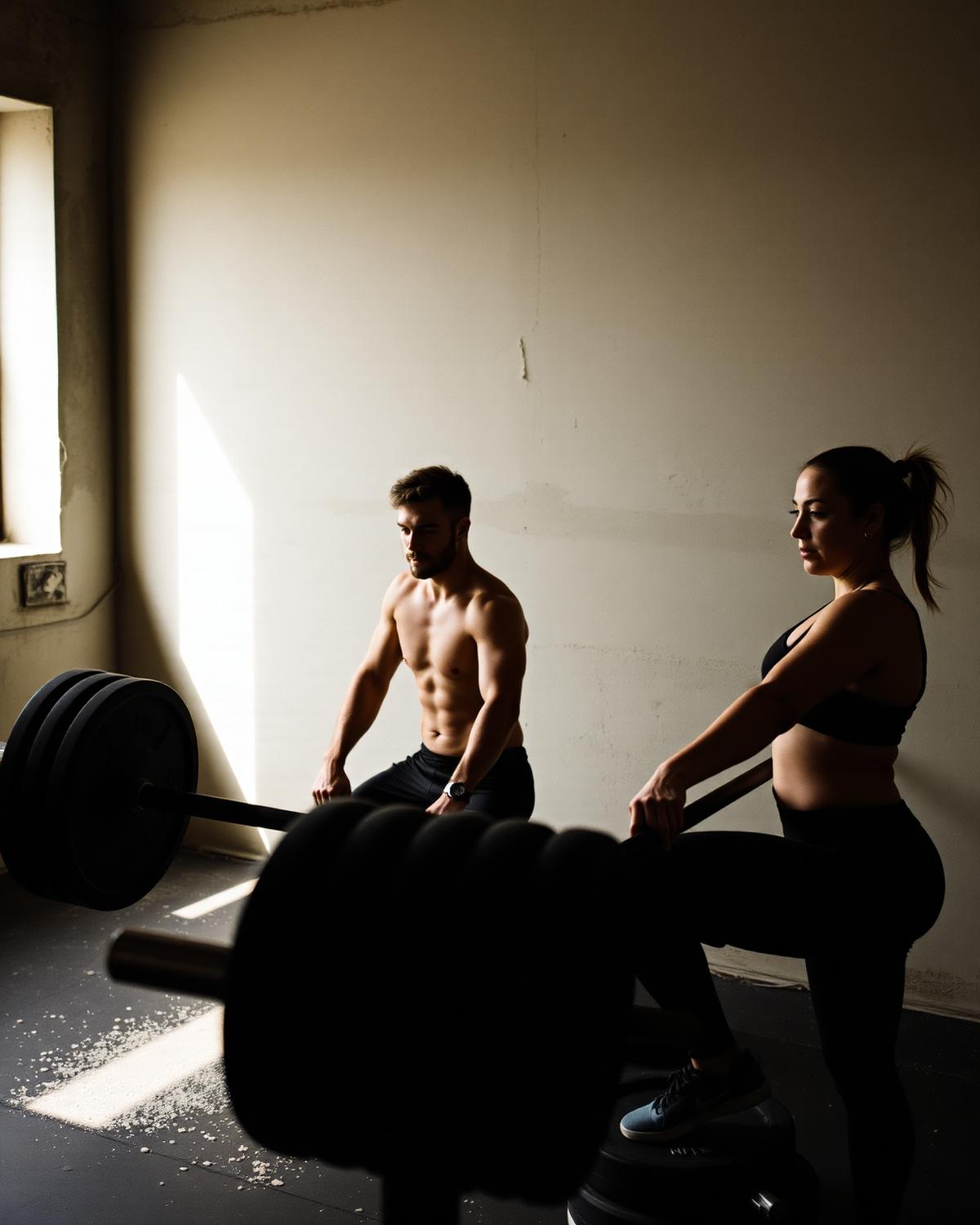
Work load is often repetitive rather than maximal — the same lift, the same reach, the same position, hundreds of times. Breaking up long static positions where the job allows, and warming up briefly before the first heavy task, are two of the more practical habits available on site.
Recovery routines on a FIFO swing
On swing, consistency is the lever you can still pull. Same wind-down each night, a short mobility routine in the room, food and water packed the night before, and protecting sleep as much as the roster allows.
Days off at home are for genuine rest as well as catching up — a swing that ends in a wall of activity often feels worse than one that eases back in.
Movement and mobility for work bodies
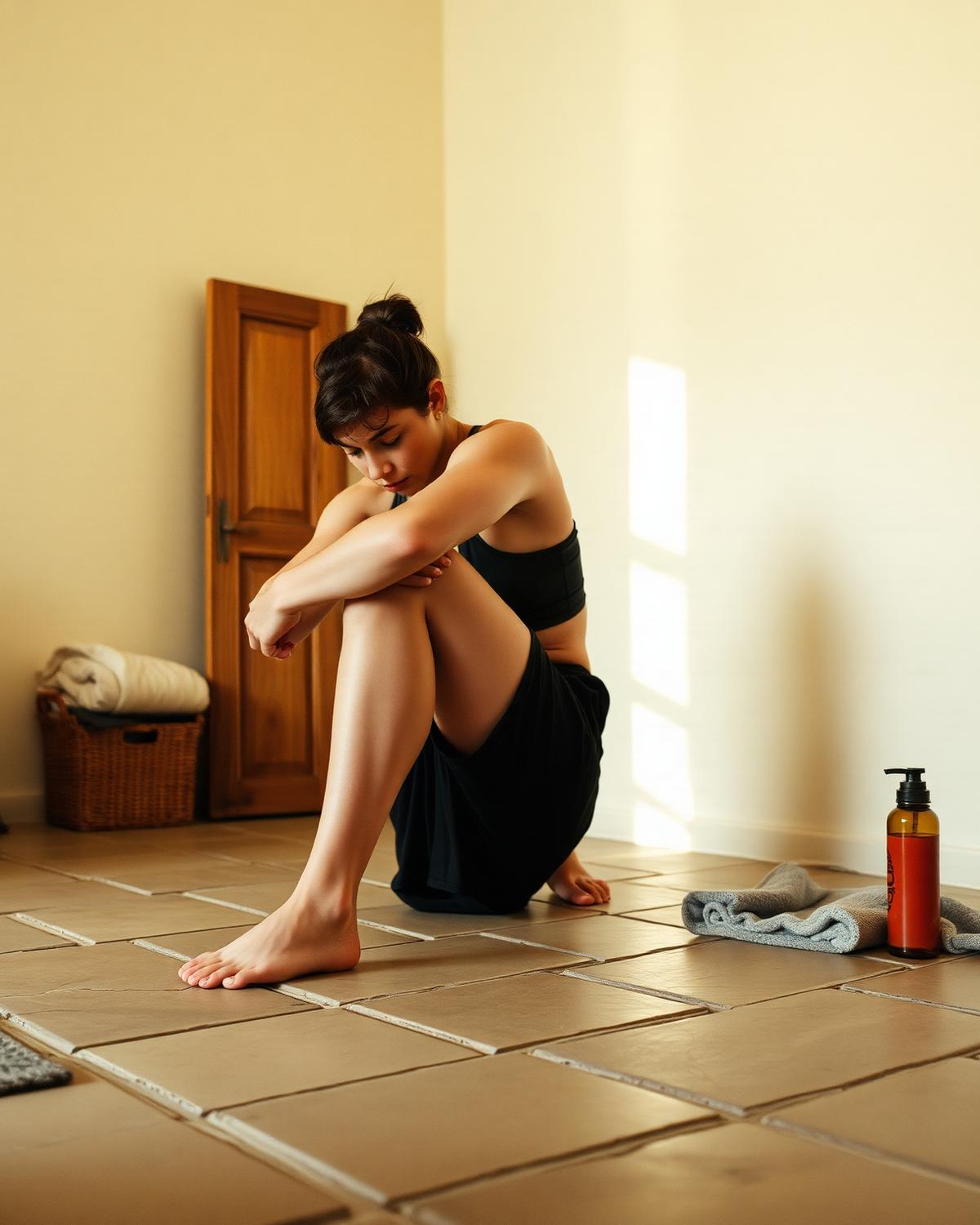
If your day is spent bent over, overhead or seated, the useful movement is usually the opposite. Simple hip, back and shoulder mobility, done briefly and often, tends to stick better than a long weekly session.
Preparing for another physical day
- Pack food and water the night before.
- Short warm-up before the first heavy task.
- Rotate tasks or positions where you can.
- Protect sleep before an early start.
Where this stops
Recovery Edition publishes general recovery information. We do not provide medical treatment, and nothing here treats back pain, injuries or medical conditions. If work is causing pain, see a qualified health professional and follow your workplace's process.
Recovery Edition publishes general informational content. It is not medical advice and is not a substitute for care from a qualified health professional.