Recover
Carnosine vs Beta-Alanine: What's the Difference?
Carnosine and beta-alanine are closely related but not the same thing. Here's how they connect, what the research shows, and why beta-alanine dominates sports nutrition.
Move
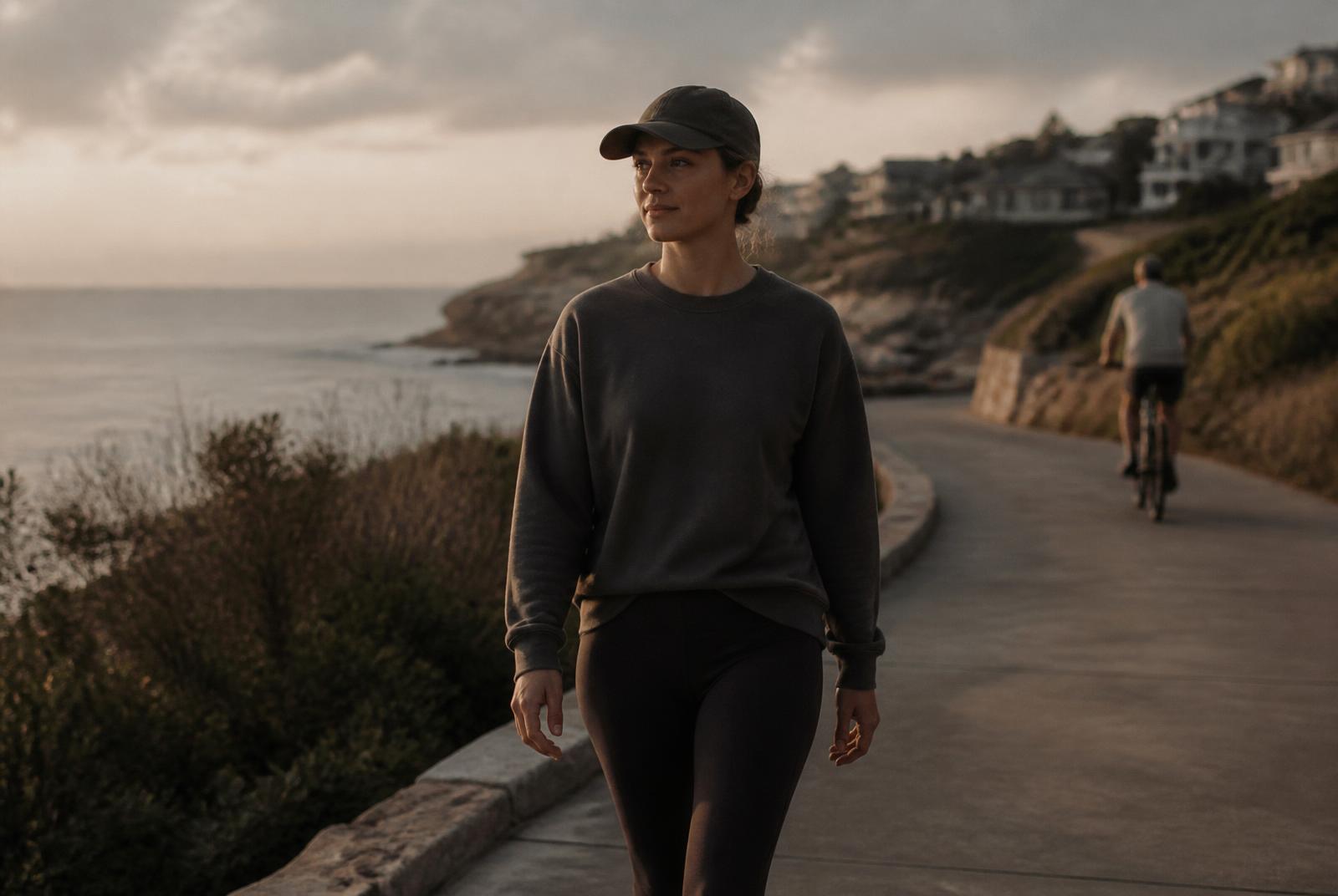
You don't need a race entry to earn a recovery routine. Kilometres add up — on the footpath, at the beach, on the school run and everywhere in between.
Movement is the most common kind of physical load in Australia: walking the dog, running before work, cycling to the shops, chasing kids around a park. It rarely feels like training, which is exactly why the recovery side of it gets skipped.
Regular movement is generally well tolerated when the amount of it changes gradually. Most niggles turn up when something jumps — a sudden increase in distance, new shoes, hills after months of flat, or a big week after a quiet one.
Recovery here is less about elaborate protocols and more about keeping the week sustainable: easy days that are genuinely easy, a couple of harder efforts, and sleep that supports both.
Short and frequent beats long and occasional. Five to ten minutes of hip, ankle and calf mobility, done most days, is far more likely to happen than a weekly hour you keep postponing.
A rest day does not have to be nothing. Walking, swimming or an easy ride keeps you moving while giving the harder tissues a break. Sleep remains the single most useful recovery habit available.
Recovery Edition writes about habits and routines. We don't diagnose or treat. Pain that is sharp, worsening, swollen or persistent is a reason to see a qualified health professional.
Recovery Edition publishes general informational content. It is not medical advice and is not a substitute for care from a qualified health professional.
Related reading
Recover
Carnosine and beta-alanine are closely related but not the same thing. Here's how they connect, what the research shows, and why beta-alanine dominates sports nutrition.

Recover
Carnosine is a naturally occurring dipeptide found in high concentrations in skeletal muscle. What it does, how beta-alanine fits in, and what the research does and doesn't show.
Recover
Yes — carnosine is a dipeptide made from beta-alanine and histidine. Here's what that classification does and doesn't tell you about today's peptide conversation.
Recover
Cooling down, replacing fluids, eating, resting and sleeping well — how the basics come together into a post-workout recovery routine you can actually repeat.
Recover
Sore after training? What muscle recovery after exercise actually involves — how long it can take, what helps, and when soreness is worth getting looked at.
Recover
Active recovery is easy movement on the days between harder efforts — what it is, how it compares with complete rest, and when each one makes more sense.

Recover
Sore a day or two after training? What delayed onset muscle soreness is, when it tends to show up, what can help, and when pain is worth a professional opinion.
Recover
Complete rest or easy movement? How rest days and active recovery compare, and how to decide which one suits the day in front of you.
Recover
Recovery isn't only for after sport. A short, repeatable daily routine for active adults with jobs, families and limited time.
The campaign
Recovery looks different depending on how you move, work or train. A footballer on Sunday morning, a tradie after a 12-hour day and a runner mid-build-up all need something different — but they all need something.
Community sport, weekend fixtures, back-to-back seasons.
Gym sessions, strength work, mid-week loads.
Early starts, long runs, event build-ups.
Twelve-hour days, night shift, FIFO swings.
Trades, site work, lifting and standing.