

Train
How Often Should You Train? A Guide to Training Frequency
How many days a week to train depends on your goals, the type of training, your experience and how well you recover. Here's how to think it through.

For bodies that do more
Move. Work. Train. Recover.
Recovery for sport, training, physical work and everyday active life.
Four ways bodies do more
The campaign
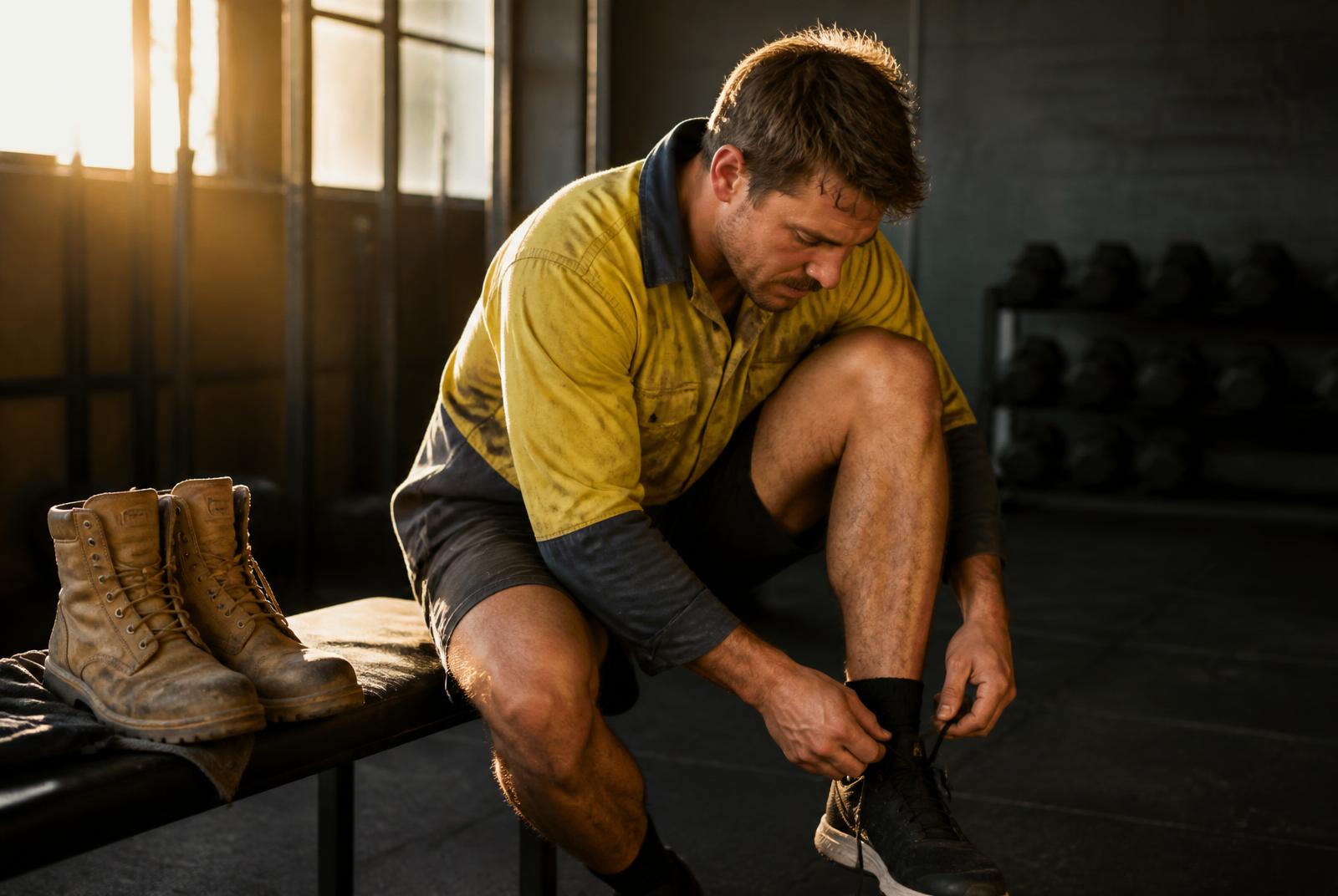
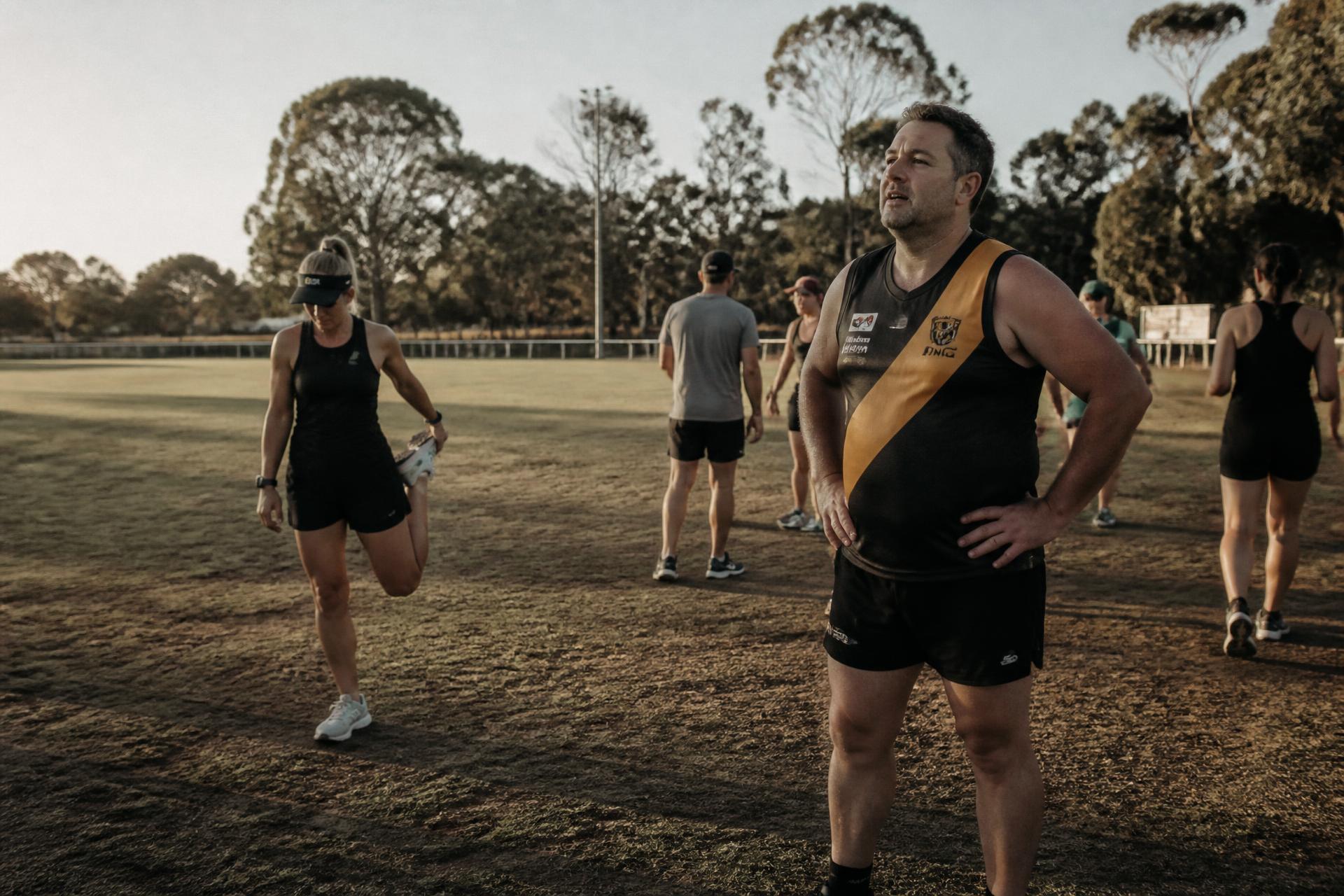
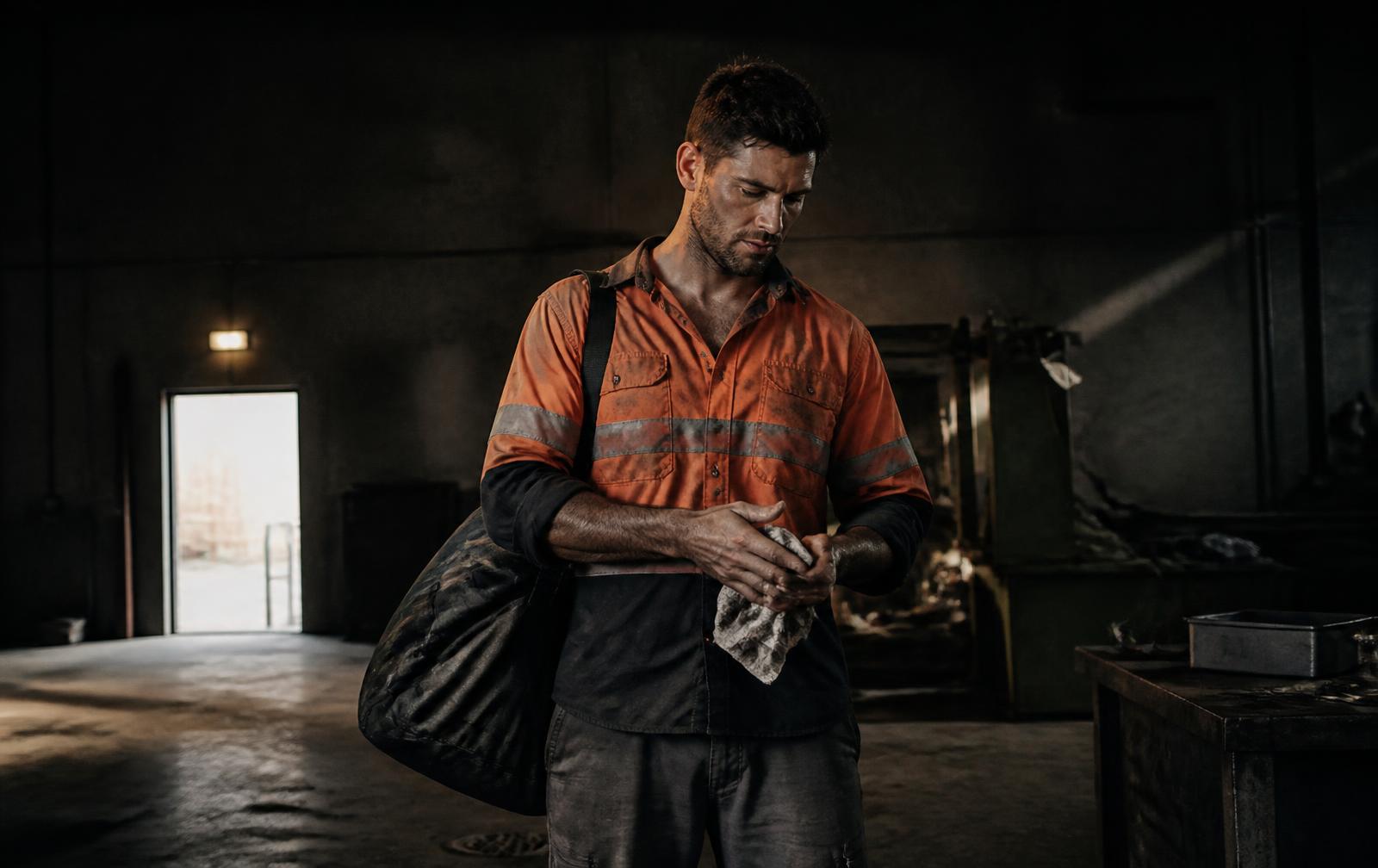
Recovery looks different depending on how you move, work or train. A footballer on Sunday morning, a tradie after a 12-hour day and a runner mid-build-up all need something different — but they all need something.
Community sport, weekend fixtures, back-to-back seasons.
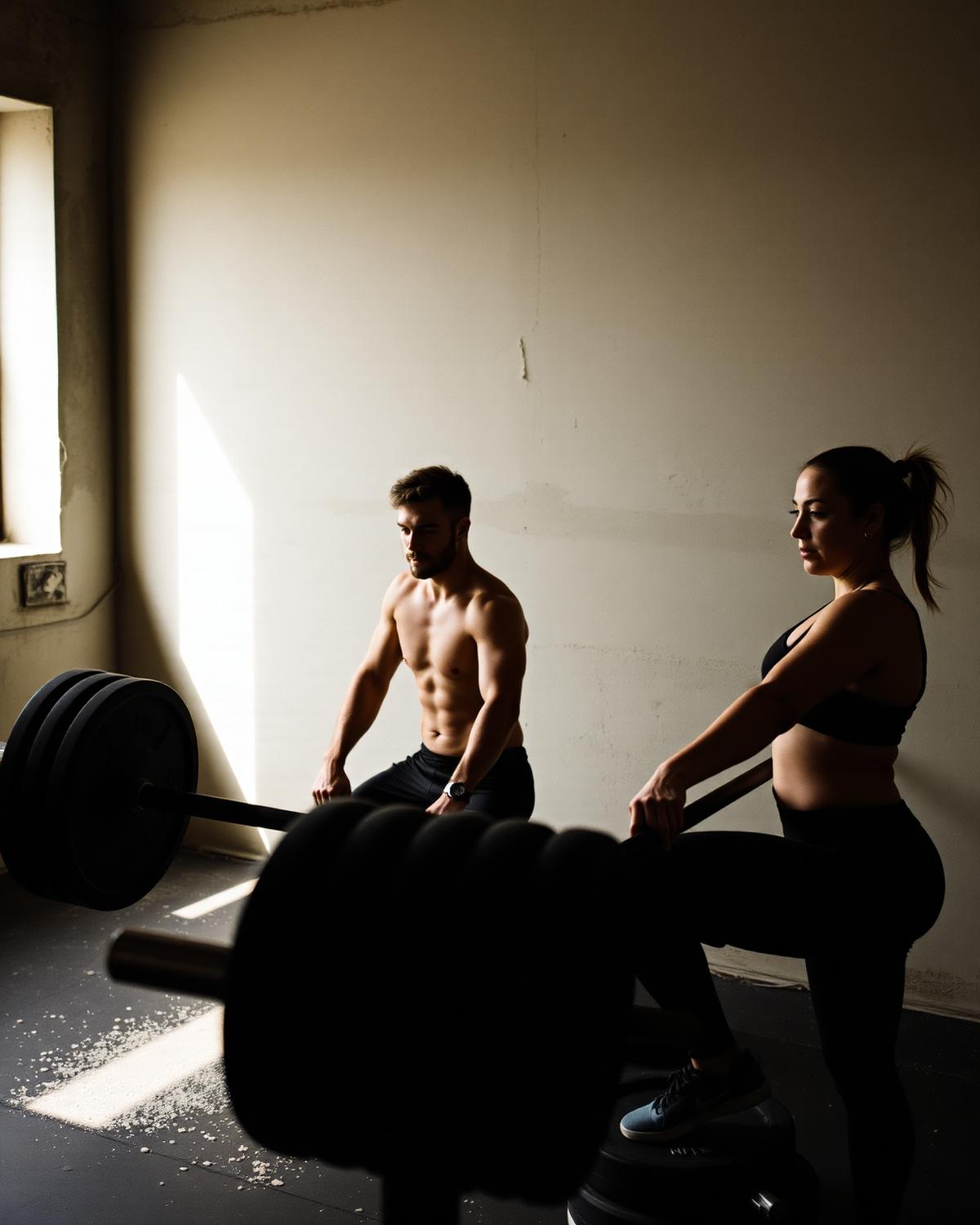
Gym sessions, strength work, mid-week loads.
Early starts, long runs, event build-ups.
Twelve-hour days, night shift, FIFO swings.
Trades, site work, lifting and standing.
Featured in this edition

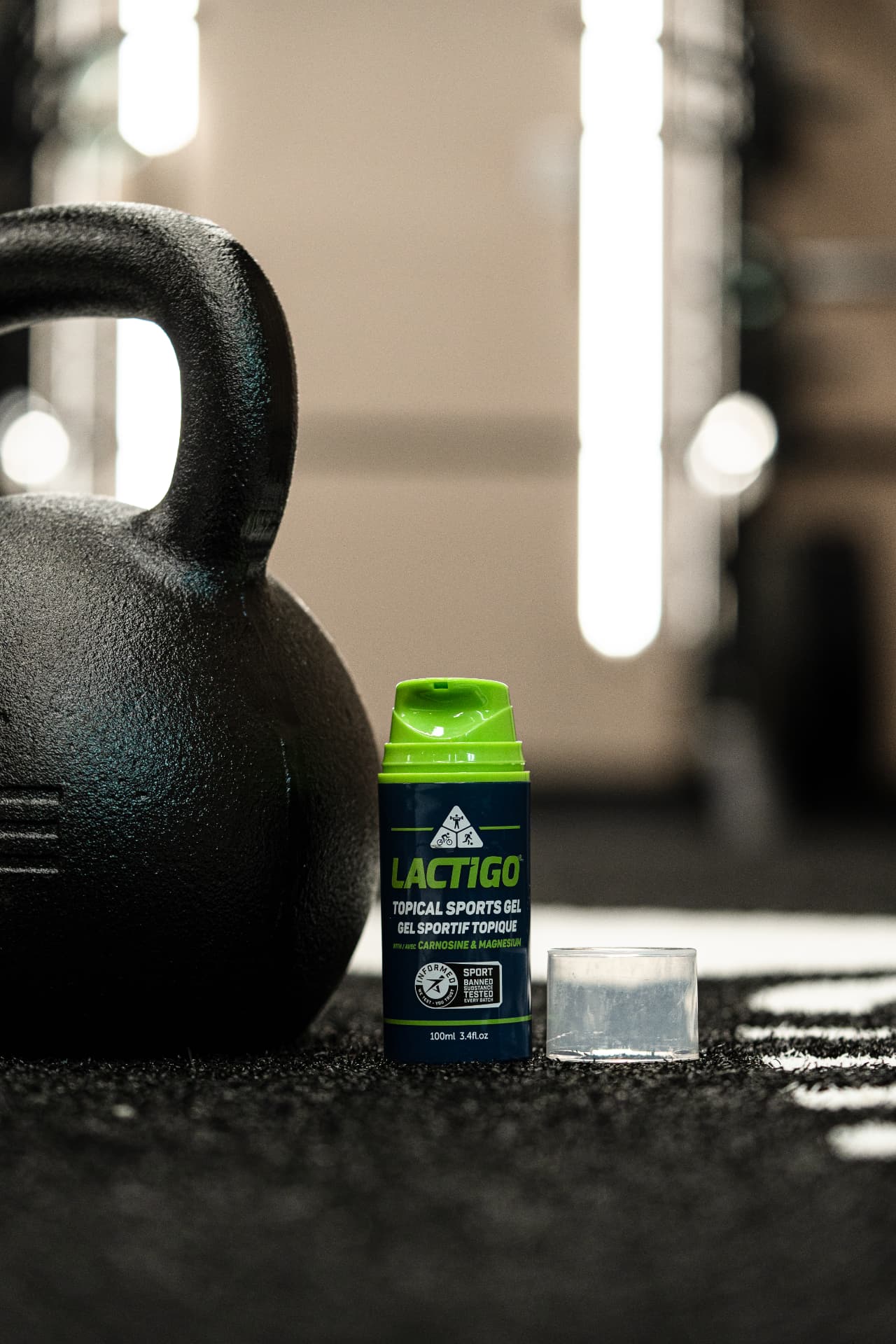
LactiGo Regular is a topical sports hydration gel designed to fit around sport, training and active routines.
We look at recovery as a whole routine — not one product or one habit. LactiGo is one product people may choose to include around physical activity.
Affiliate disclosure: Recovery Edition may earn a commission if you purchase through links on this page.
The latest edition
Practical recovery reading for sport, training and physical work. We publish fewer, better guides rather than filling the site with filler.

Train
How many days a week to train depends on your goals, the type of training, your experience and how well you recover. Here's how to think it through.

Train
How much recovery you need between sessions depends on the training, not the calendar. Here's what shapes the gap, and how to judge it session by session.

Train
Sore from yesterday and unsure whether to train? What the soreness itself tells you, what it doesn't, and how to choose between training, going easier and resting.