Train
How Often Should You Train? A Guide to Training Frequency
How many days a week to train depends on your goals, the type of training, your experience and how well you recover. Here's how to think it through.
Recovery Edition Editorial ·
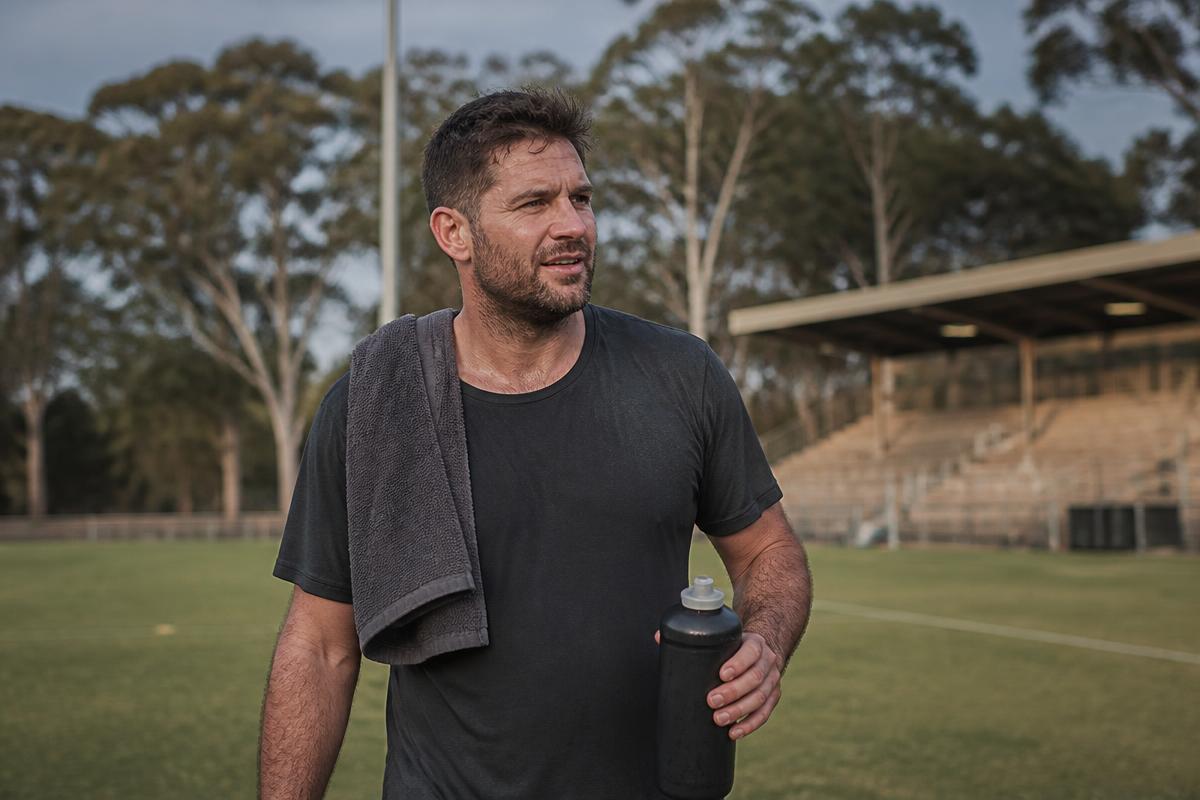
There's no single number of training days that suits everyone. How often you should train depends on what you're training for, the type of training you're doing, how long you've been at it, how much total work you're already carrying, and how well you're recovering between sessions.
That's not a dodge — it's the honest answer, and it's more useful than a number pulled out of the air. What follows is a way of thinking it through, along with some common patterns and example weeks you can borrow from.
How Often Should You Train?
Frequency is one lever among several. The others — how hard each session is, how long it lasts, and how much recovery sits around it — all pull on the same rope. Adding a fourth or fifth day only helps if the sessions you're already doing are being absorbed rather than just accumulated.
A practical starting point is to ask what you can repeat, week after week, without the wheels falling off. Australia's physical activity guidelines suggest most adults aim for 150 to 300 minutes of moderate activity or 75 to 150 minutes of vigorous activity each week, plus muscle-strengthening activity on at least two days. That's a public-health floor rather than a training programme, but it's a reasonable frame: activity spread across the week, with strength work in there somewhere.
How Many Days a Week Should You Train?
The frequencies below are patterns people commonly land on, not prescriptions. Plenty of people train well outside them.
Beginners
Two to three days a week is a common place to start, with rest or easy movement in between. The limiting factor early on usually isn't motivation — it's that new training loads take time for the body to adapt to, and soreness after unfamiliar sessions can be substantial. Starting lower and adding days once the current week feels comfortable tends to work better than starting at five days and abandoning it in a fortnight.
Recreationally active people
Three to four days of deliberate training is typical for people who want to be fit, strong and capable without any particular competitive goal. Often that looks like two strength sessions and a couple of runs, rides or games, with walking and everyday movement filling out the rest of the week.
Regular gym-goers
Four to five days is common once training becomes a settled habit and sessions are organised well enough that not every day hits the same tissue hard. How the week is split matters more than the count — five sensibly arranged days can be easier to recover from than three that all leave you wrecked.
People training for a sport
Frequency is often decided for you. Club training nights, a weekend game and whatever strength or conditioning work you add can stack up quickly. In-season, the honest question is usually not "can I add another session?" but "where does recovery fit around what's already fixed in the calendar?"
Experienced athletes
Higher frequencies — sometimes six days, sometimes more than one session a day — are generally the product of years of gradual build-up, structured easy days, and support around nutrition, sleep and monitoring. It's an endpoint, not a template to copy from a standing start.
Training Frequency Depends on What You're Doing
Two people can both train four days a week and be doing entirely different amounts of work. The type of training changes how much recovery each day demands.
- Strength training — hard resistance work leaves tissue needing time before it's ready for a similar effort. Many people find rotating what they train, rather than repeating the same heavy session, lets them train more often comfortably.
- Running — running is repetitive and weight-bearing, so bones, tendons and connective tissue accumulate load quickly. Frequency here usually needs to climb slowly, with easy runs doing most of the work.
- Cycling — lower-impact than running, which is why cyclists often ride most days. Long or hard rides are still substantial, so it's intensity rather than the ride count that tends to set the limit.
- Team sport — stop-start running, contact and match demands make a single game or training night hard to compare to a gym session. In-season, the game itself is a large part of the week's load.
- Mixed training — spreading work across strength, cardio and skill often allows more frequent training, because each day taxes something slightly different.
- General fitness — if the goal is simply to be active and healthy, frequency matters far less than doing something you'll keep doing.
Our Train hub collects the training-side reading, and the Recover hub covers what happens between sessions.
Training Frequency vs Training Volume
Days on a calendar tell you very little on their own. Volume — the total amount of work you do — and intensity are what your body actually responds to.
Three long, hard sessions can be a bigger week than five short, easy ones. Someone doing five 30-minute sessions may be training less overall than someone doing three 90-minute ones, even though the first person trains more often. Frequency is a way of distributing work across the week; it isn't a measure of how much work there is.
This is why spreading the same total across more days sometimes feels easier. Smaller pieces are simpler to recover from than a few very large ones — provided the total hasn't quietly crept up at the same time.
How Much Recovery Do You Need Between Workouts?
Recovery isn't the gap between the useful parts of your week — it's when the adaptation to training actually happens. How much you need between sessions depends on how demanding the last one was, how used to it you are, and what else is going on in your life and work. If your job itself is physically demanding, that's part of the picture too — we cover it in how to recover after a physically demanding workday.
The fundamentals do most of the heavy lifting: sleep, food, fluids and sensible progression. We've set out how that plays out in the hours and days after a session in how to recover after a workout, and what the evidence supports more broadly in muscle recovery after exercise.
One useful habit: judge recovery by how you turn up rather than by the clock. If the next session feels heavier than it should and that keeps happening, the spacing — or the total — probably needs a look. For what shapes the gap itself, see how long should you rest between workouts?
Should You Train When You're Sore?
Mild delayed soreness after training is common, particularly after something new or harder than usual, and it isn't automatically a reason to skip a session. Many people find easier movement feels better than sitting still, and reducing intensity or training something else that day is often a sensible middle ground.
Sharp, one-sided or joint pain is a different matter, and so is soreness that keeps hanging around. We go through what soreness is, how long it usually lasts and how it differs from injury in why am I sore after a workout?
Rest Days vs Active Recovery
Not every non-training day has to look the same. A complete rest day — no deliberate training at all — suits days when you're genuinely flat or have strung together several demanding sessions. An easy day of low-intensity movement suits days when you feel fine and would rather not sit still.
Both belong in a sustainable week. We compare them side by side in rest day vs active recovery, and cover intensity, examples and where easy days fit in active recovery.
Signs Your Training Schedule May Need Adjusting
These are general signs that the balance between training and recovery may be off. They're not diagnostic, and any one of them can have plenty of other explanations.
- Fatigue that persists rather than lifting after a rest day or two.
- Performance drifting backwards despite training consistently.
- Soreness lasting noticeably longer than it usually does.
- Sleep that's become harder to get or less restful.
- Motivation dropping away, or sessions starting to feel like a chore.
- Recurring niggles, or the same area complaining week after week.
If a few of these show up together, reducing frequency or intensity for a week is a reasonable first response. If symptoms are persistent, severe, worsening or concerning — or you have a health condition, are returning from injury or aren't sure — speak with a GP, physiotherapist, accredited exercise physiologist or another qualified health professional.
Example Weekly Training Structures
These are examples of how training and recovery days can be arranged — not recommendations, and not schedules anyone needs to follow.
Three-day week
- Monday — Training
- Tuesday — Recovery
- Wednesday — Training
- Thursday — Recovery
- Friday — Training
- Weekend — Recovery or everyday activity
Four-day week
- Monday — Training
- Tuesday — Training
- Wednesday — Recovery
- Thursday — Training
- Friday — Training
- Weekend — Recovery
Mixed activity week
- Monday — Strength
- Tuesday — Easy cardio
- Wednesday — Recovery
- Thursday — Strength
- Friday — Easy movement or rest
- Saturday — Sport or game
- Sunday — Recovery
Examples only. Your own week depends on your goals, your commitments, your work, your health and how you respond to training.
The Bottom Line
How often you should train is less a fixed number than a balance you keep adjusting. Goals, training type, experience, total workload and recovery all feed into it, and the answer changes across a season, a work roster or a year.
Consistency over months tends to matter far more than hitting an arbitrary number of days in any given week. A schedule you can sustain, with enough recovery built in that you keep turning up in decent shape, will nearly always beat a heavier one you abandon. More on both sides of that balance sits across our guides.
Sources & further reading
- Australian Government Department of Health and Aged Care — Physical activity and exercise guidelines for all Australians
- Australian Institute of Sport — Recovery (Australian Sports Commission)
- Better Health Channel — Physical activity — it's important
- Healthdirect Australia — Exercise and physical activity
- Healthdirect Australia — Sleep
Recovery Edition publishes general informational content. It is not medical advice and is not a substitute for care from a qualified health professional.
- Training Frequency
- Training Schedule
- Rest Days
- Recovery
- Workout Frequency